
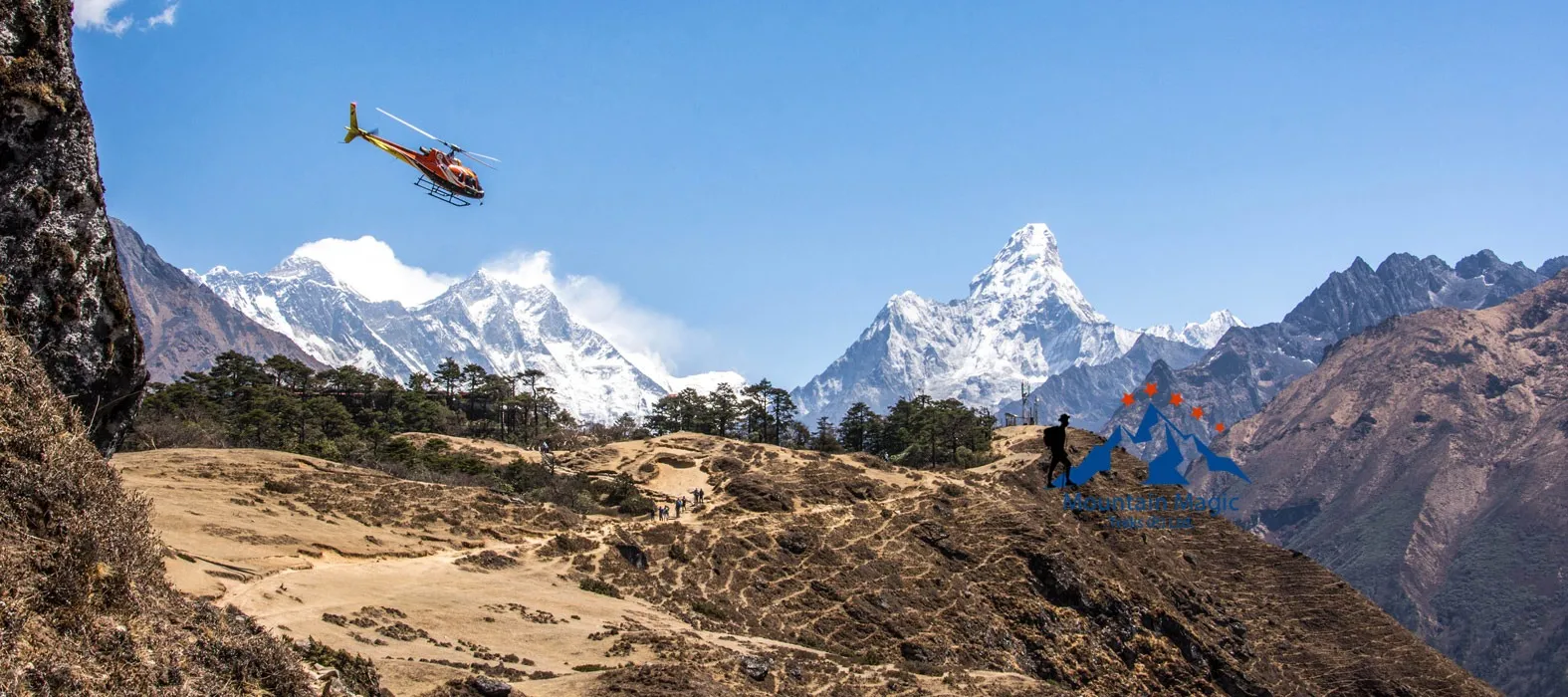
Clear communication is important during a mountain journey. Trekkers need to hear instructions from their guide, communicate with other group members, and remain aware of sounds around the trail. However, strong wind, rushing rivers, crowded teahouses, and helicopter noise can make conversations difficult.
The Everest region contains several different sound environments. Lower sections may have flowing rivers and busy village paths, while exposed areas near Lobuche and Gorakshep can experience strong wind. Helicopter operations introduce another source of loud noise.
During the Everest Base Camp Trek with Helicopter Return, understanding basic hearing protection and communication practices can help travelers stay aware of their surroundings.
How Mountain Environments Affect Hearing
Sound travels through the air as vibrations. Temperature, wind, surrounding terrain, and background noise can influence how clearly a person hears a sound.
Wind Can Make Conversations Difficult
Strong wind creates background noise that can cover ordinary speech. It may also cause clothing and equipment to flap, making conversations harder to understand.
On exposed sections of the route, trekkers may need to move closer together or repeat important instructions. Never assume that another person has heard a message simply because it was spoken loudly.
Rivers and Village Activity Create Background Noise
The Dudh Koshi River flows through parts of the lower trekking route. Water moving over rocks can produce continuous background sound.
In settlements such as Namche Bazaar, people, animals, and daily village activity can also make conversations less clear. Trekkers should speak directly and calmly when sharing important information.
Understanding Helicopter Noise
Helicopters produce noise from their engines and rotating blades. The sound can be especially noticeable near landing and departure areas.
Why the Sound Is So Strong
A helicopter’s rotor system moves large amounts of air to generate lift. The rotating blades and engine create sound that can be intense when an aircraft is nearby.
The surrounding mountain terrain may also reflect or carry sound in ways that make the aircraft seem louder.
Protecting Your Hearing
Exposure to loud sound can cause temporary or permanent hearing damage, depending on its intensity and duration.
Suitable hearing protection, such as properly fitted earplugs, can help reduce exposure when appropriate. Passengers should follow the helicopter crew’s instructions and use only approved hearing protection that does not prevent them from hearing essential safety directions.
Communication During the Walking Sections
Good communication helps a trekking group move together and respond to changes along the route.
Keep Instructions Short and Clear
Long explanations can be difficult to understand when wind or background noise is present. Use short sentences for important information.
For example, a guide may need to communicate that the group should stop, move to one side, or wait before crossing a particular section.
Confirm Important Messages
If you do not understand an instruction, ask the guide to repeat it. Do not guess when the message concerns route direction, group movement, or safety.
Group members should also tell the guide when they feel unwell or need assistance. Staying silent because of embarrassment can delay necessary support.
Using Phones and Headsets Responsibly
Electronic devices can help people communicate, but they should not distract trekkers from their surroundings.
Avoid Walking With Both Ears Blocked
Listening to music through headphones can reduce awareness of nearby sounds. This may make it harder to notice approaching pack animals, other trekkers, or instructions from the guide.
Keep your ears free while walking on the trail. If you need to take a call, stop in a safe place before using your phone.
Choose Suitable Communication Settings
Wind can affect microphone quality during phone calls. Moving to a sheltered area may improve the sound, although mobile connectivity can still be limited.
Do not rely entirely on mobile calls to communicate with your group. Agree on basic meeting arrangements and follow the guide’s instructions.
Hearing Protection Inside Mountain Lodges
Teahouses provide places to rest, eat, and sleep. Shared dining rooms and common spaces can become noisy when several groups arrive together.
Respect Shared Spaces
Speak at a reasonable volume, especially during early mornings and late evenings. Other travelers may be resting before an early departure.
Avoid playing loud audio through phone speakers. Headphones can be useful inside accommodation, but keep the volume at a safe level.
Allow Quiet Time Before Sleeping
After a long day, reducing unnecessary noise can make it easier to rest. Keep conversations and electronic sounds low in shared sleeping areas.
If you have difficulty hearing or experience persistent ringing in your ears, do not dismiss it as an ordinary result of mountain travel.
Preparing for Helicopter Boarding
The return flight requires careful attention to crew instructions. Passengers should not become distracted by conversations, cameras, or electronic devices during aircraft movement.
Listen to the Ground Crew
The crew may use hand signals or spoken instructions when directing passengers. Watch carefully and follow the designated approach and boarding procedures.
Never approach the helicopter until permission has been given. Keep loose items secured and stay within the instructed passenger area.
Avoid Unnecessary Conversation Near the Aircraft
Engine and rotor noise can make speech difficult to understand. Important instructions may need to be repeated or communicated through signals.
The Everest Base Camp Trek with Helicopter Return includes a helicopter return arrangement, but passengers must follow the operator’s safety procedures throughout boarding, flight, and landing.
When Hearing Symptoms Need Attention
Temporary discomfort can occur after exposure to loud sound, but some symptoms should receive medical attention.
Recognize Warning Signs
Pay attention to symptoms such as:
-
Persistent ringing or buzzing in the ears
-
Sudden reduction in hearing
-
Ear pain or pressure that does not improve
-
Dizziness or balance problems
-
Unusual sensitivity to everyday sounds
Sudden hearing loss should be treated as urgent. Seek medical help promptly rather than waiting for the symptoms to disappear.
Do Not Ignore Communication Difficulties
If you repeatedly struggle to understand speech, tell your guide or travel companion. Background noise may be responsible, but an ongoing hearing problem deserves proper assessment.
Final Thoughts
Hearing is an important part of staying aware during a mountain journey. Wind, rivers, village activity, and helicopter operations can all make communication more difficult along the Everest route.
The Everest Base Camp Trek with Helicopter Return involves both remote walking sections and aircraft operations, so travelers should keep communication clear, avoid unnecessary headphone use on the trail, and follow crew instructions carefully.
Protecting your hearing is not only about comfort. It also helps you remain aware of important information and respond appropriately when conditions change.
Frequently Asked Questions
1. Is helicopter noise harmful to hearing?
Helicopter noise can be very loud. Exposure to intense sound may damage hearing, so passengers should follow crew instructions and use appropriate hearing protection when advised.
2. Should I wear headphones while trekking?
It is better to keep your ears free while walking. You need to hear your guide, other trekkers, and activity around the trail.
3. Can wind affect phone call quality?
Yes. Wind can interfere with microphone performance and make speech difficult to understand. Moving to a sheltered location may help.
4. Should I carry earplugs for the trek?
A suitable pair can be useful for sleeping in shared lodges or reducing noise exposure when appropriate. Do not use them in situations where you need to hear safety instructions.
5. What should I do if my hearing suddenly becomes weaker?
Seek urgent medical attention. Sudden hearing loss should not be treated as a normal effect of altitude or mountain travel.
